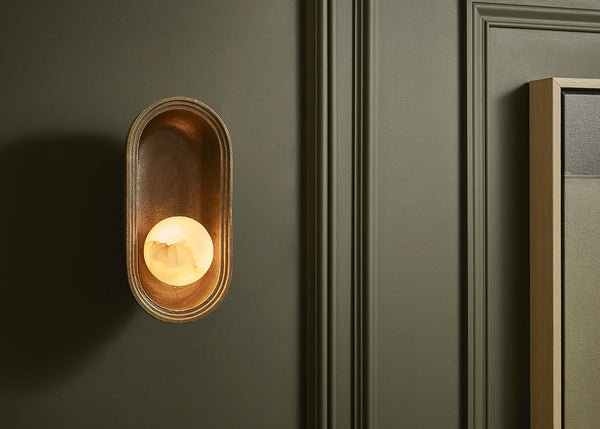
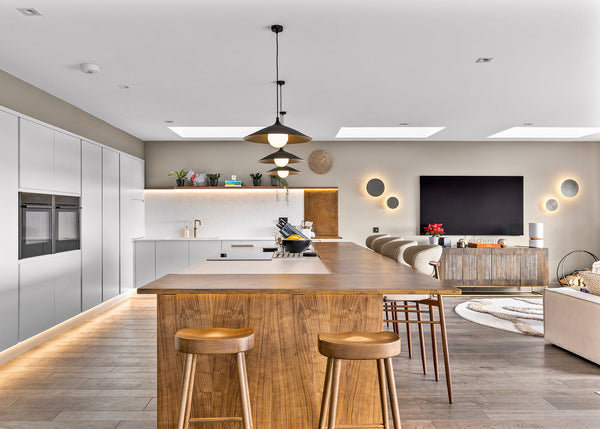
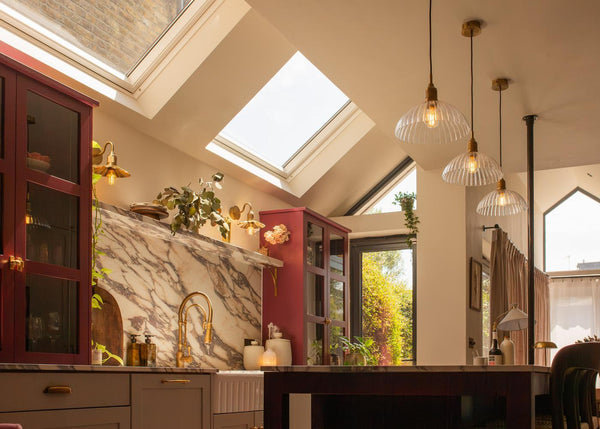
Nestled amongst the leafy residential streets of Queen's Park, this thoughtfully renovated ground-floor flat demonstrates how a Victorian property can be transformed for modern living while retaining the character that makes period homes so enduringly appealing.
When homeowner Martine first purchased the property, she saw fantastic potential hidden beneath a dark and dated layout that wasn't making the most of its footprint. Her ambition was to create a home that felt brighter, more spacious and better connected, maximising natural light and improving the flow between rooms while respecting the building's original architecture.
"We wanted the home to feel timeless, elegant and welcoming," says Martine. "It was important that the space felt sophisticated without being overly formal, and that every room had warmth and personality."
Through a considered palette of natural materials, thoughtful textures and layered lighting, that vision now runs throughout the apartment, creating a relaxed yet refined atmosphere.
[SIDE-BY-SIDE]


Throughout the renovation, Martine approached decisions through the lens of the overall scheme rather than individual rooms. From the material palette through to the lighting selections, each element was chosen to contribute to a home that feels cohesive, balanced and connected.
Lighting formed part of the design conversation from the outset. After visiting our Clerkenwell showroom, Martine worked with us to select a collection of pieces that would bring character, practicality and continuity throughout the home, helping each space feel distinct while contributing to the wider scheme.
[SIDE-BY-SIDE]


Kitchen, Dining & Living
"The decision to create a large open-plan kitchen, dining and living space had the biggest impact on the overall feel of the home," says Martine. "By extending the rear and adding the side return, we completely transformed the way the property functions."
The result is a home reoriented around light, connection and day-to-day living, creating a natural flow between cooking, dining and relaxing.
A palette of soft green cabinetry, natural stone and warm brass accents creates a sense of calm, while layers of texture add warmth and depth. The space is designed equally for everyday living and entertaining.

Above the island, three Bude pendants provide a subtle focal point. Their combination of clear glass and fabric shades helps soften the scheme while defining the kitchen within the wider room. Rather than competing for attention, they bring balance and structure to the space.
Design takeaway: In open-plan spaces, lighting can help define individual zones while maintaining a sense of openness and flow.
[P1-P1]
Principal Bedroom & En-Suite
The principal bedroom was designed as a retreat from the busier social areas of the home. Soft textiles, natural light and a restrained palette create a space that feels restorative and inviting.
An Amberley chandelier introduces texture and character overhead, complementing the wider material palette used throughout the apartment and reinforcing the sense of cohesion that runs through the project.
[SIDE-BY-SIDE]


In the adjoining en-suite, Harbour wall lights positioned either side of the mirror provide balanced illumination for everyday routines while maintaining the warmth and softness seen throughout the home.
Design takeaway: Layering ambient and task lighting creates bedrooms and bathrooms that feel comfortable both day and night.

Second Bedroom
Positioned alongside a private courtyard, the second bedroom enjoys abundant natural light and a strong connection to the outdoors.
A Bude flush mount was selected to provide soft, even illumination while maintaining a sense of openness. Repeating finishes and forms throughout the property helps create continuity without making spaces feel repetitive.
Design takeaway: Consistent materials and finishes help a home feel cohesive, even when rooms serve different purposes.
[SIDE-BY-SIDE]


Family Bathroom
The family bathroom balances practicality with personality. A fluted timber vanity, sculptural mirror and warm brass details introduce texture and character throughout the space.
"Being brave with tile choices, particularly in the bathroom and courtyard, added character and individuality while still maintaining a timeless aesthetic," says Martine.
[SIDE-BY-SIDE]


Noho wall lights provide balanced task lighting around the mirror while contributing to the room's overall atmosphere.
Design takeaway: Practical lighting can be beautiful. The most successful bathrooms balance function with character.
[P2-P2]
Outdoor Space
The same considered approach extends outdoors.
"Using the same flooring internally and externally creates a seamless connection to the courtyard and enhances the sense of space," says Martine.
While subtle, the effect is significant, drawing the eye outside and helping the apartment feel larger than its footprint suggests.
[SIDE-BY-SIDE]


Hayle wall lights add a subtle architectural detail while helping connect the outdoor areas with the wider material palette used throughout the home.
Design takeaway: Repeating materials and visual cues across indoor and outdoor spaces can make a property feel larger and more connected.
A Home Connected Through Design
Throughout the renovation, Martine focused on creating a home that worked as a complete scheme rather than a collection of individual rooms. Every decision, from the layout and materials through to the lighting and finishes, was made with the wider vision in mind.
The result is a home that demonstrates how thoughtful design can transform a period property for modern living while preserving the character that makes it unique.

Key Lessons from Martine's Renovation
Having transformed a dark and dated Victorian flat into a bright, connected home, Martine's advice for anyone undertaking a similar renovation is simple:
- Respect the original character of the property while adapting it for modern living.
- Plan the layout carefully and think about how you want to live in the space day to day.
- Make decisions based on the overall scheme rather than individual rooms.
- Create continuity through materials, finishes and lighting choices.
- Look for opportunities to strengthen the connection between indoor and outdoor spaces.
- Allow extra budget and time for the unexpected, particularly when renovating older properties.
"Most importantly, make decisions based on the overall scheme rather than individual rooms," says Martine. "A successful renovation is one where every element works together to create a cohesive and balanced home."
Image Credit: Joey Kendal Brown / @joeykendalbrown (with some exceptions)