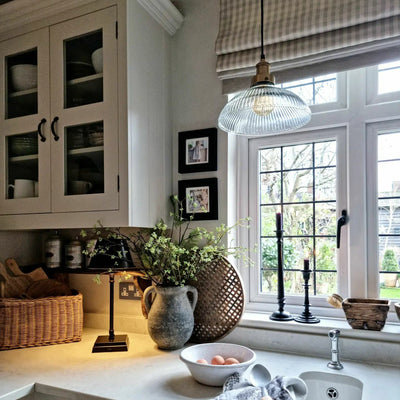
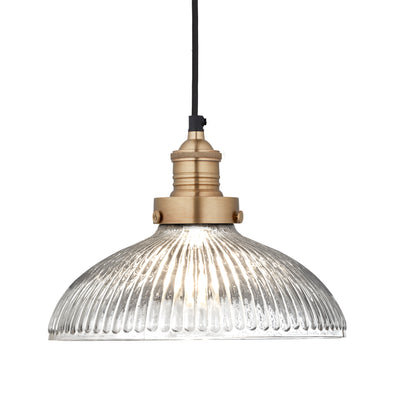
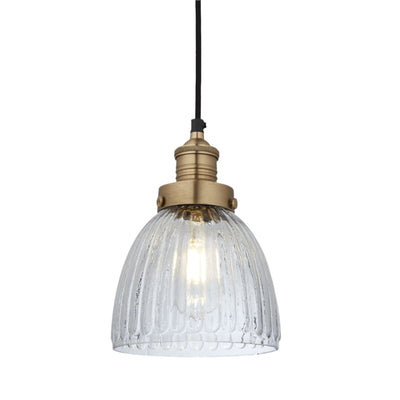
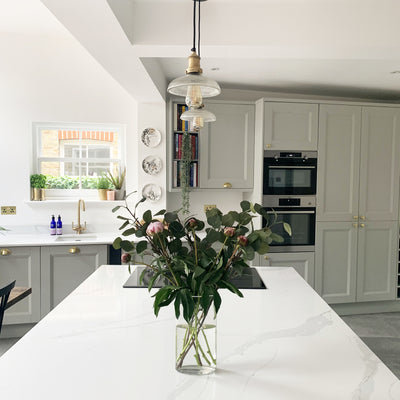
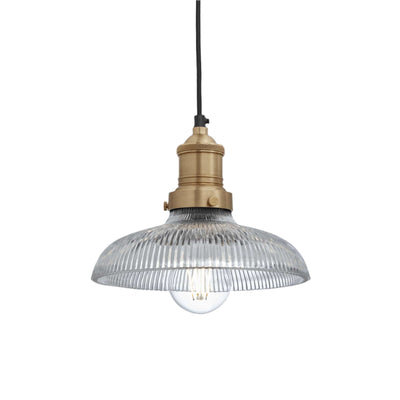
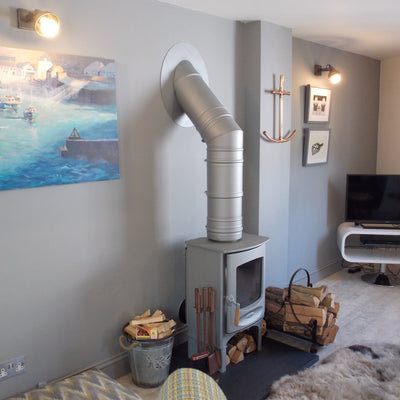
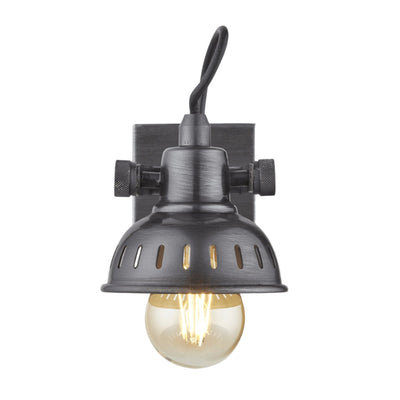
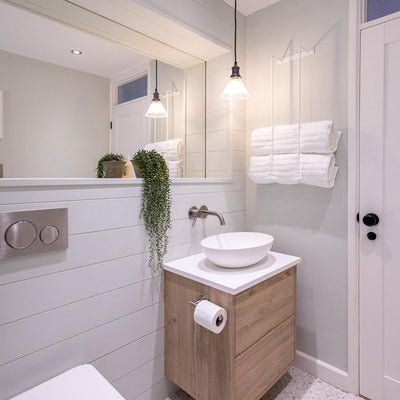
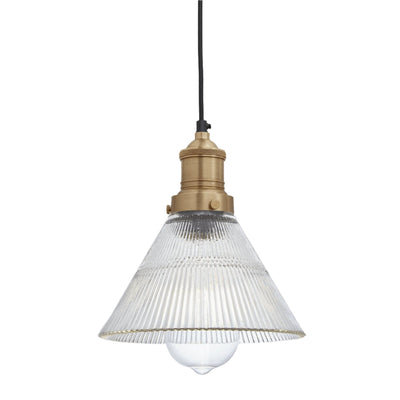
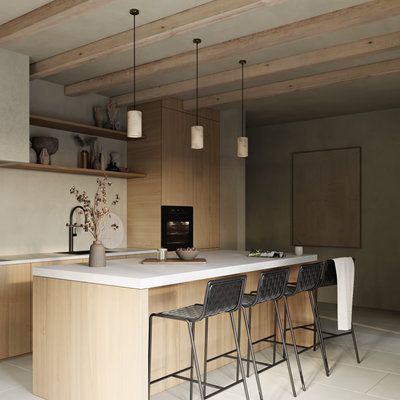
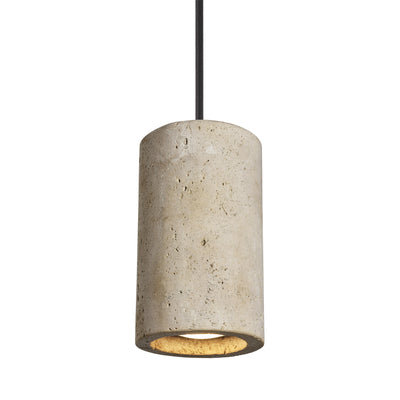
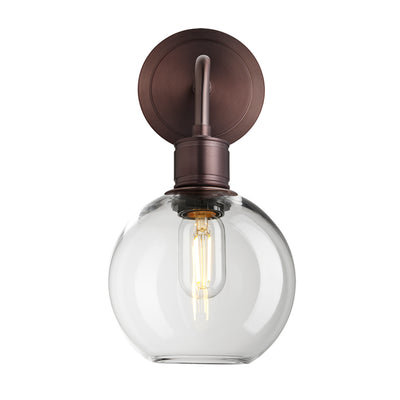
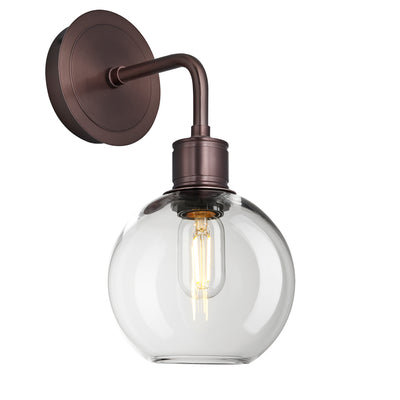
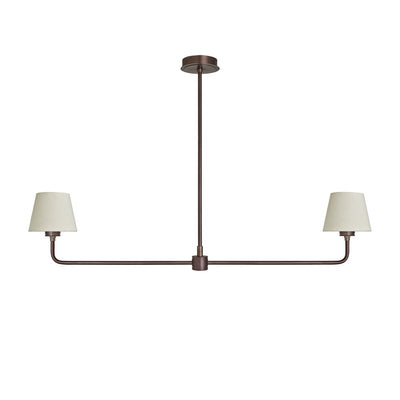
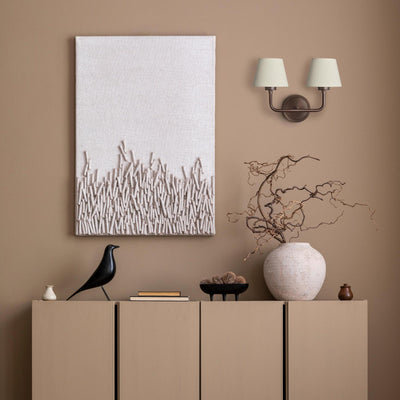
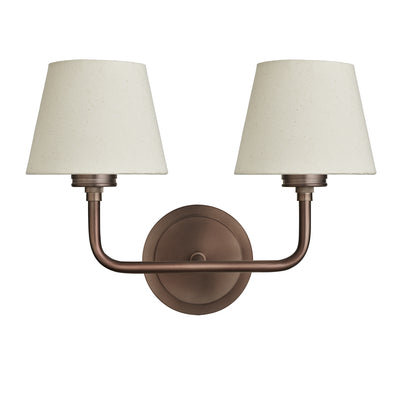
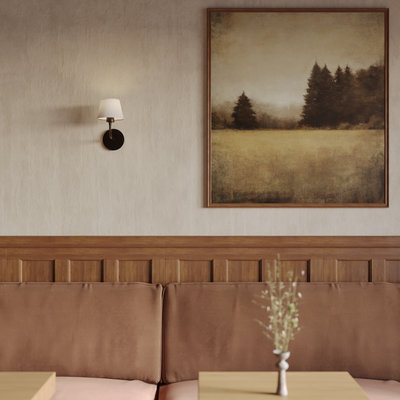
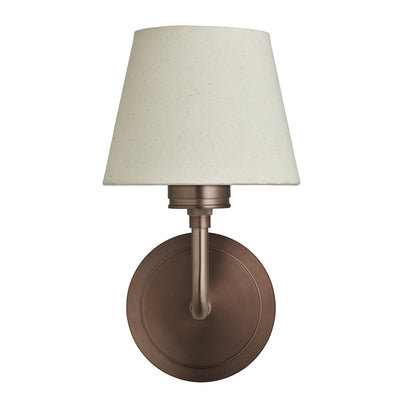
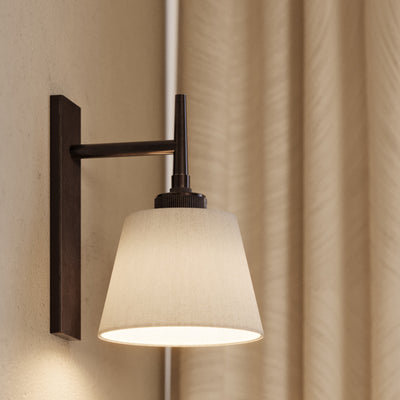
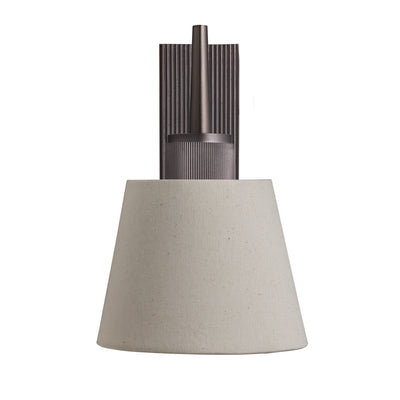
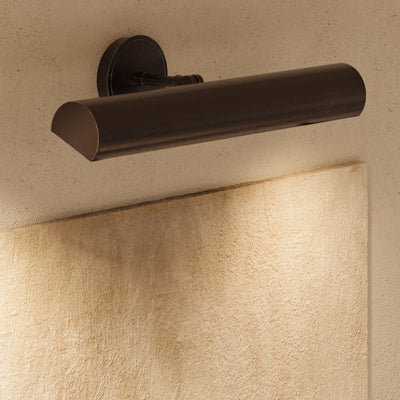
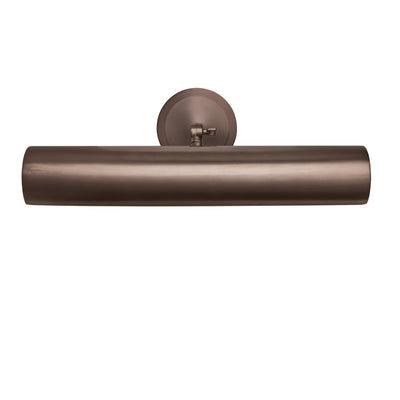
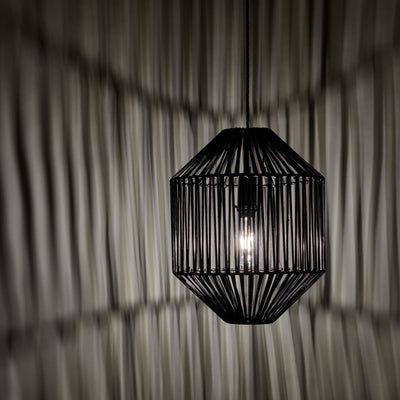
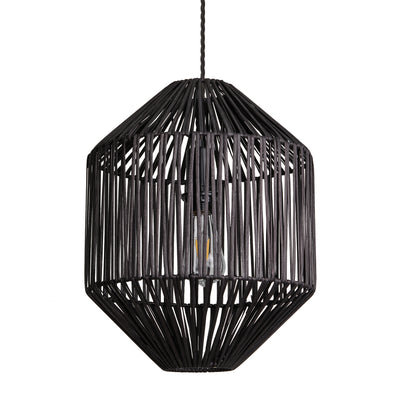
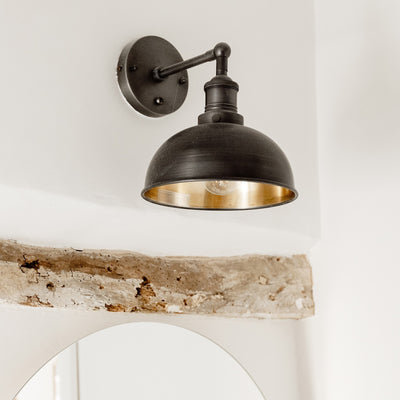
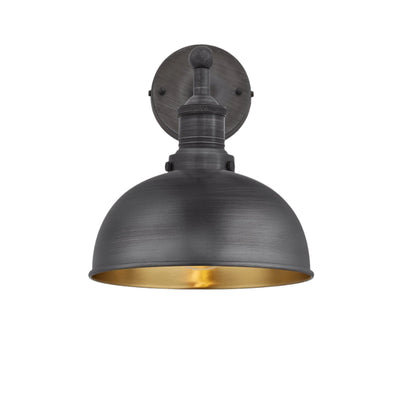
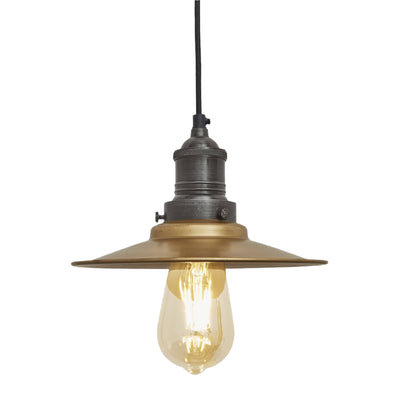
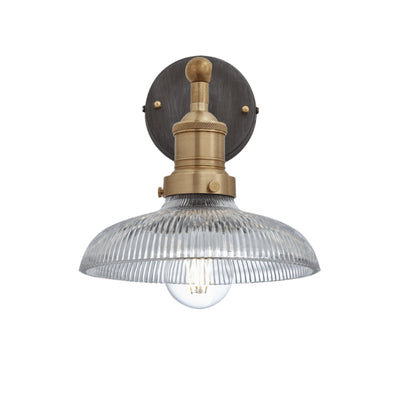
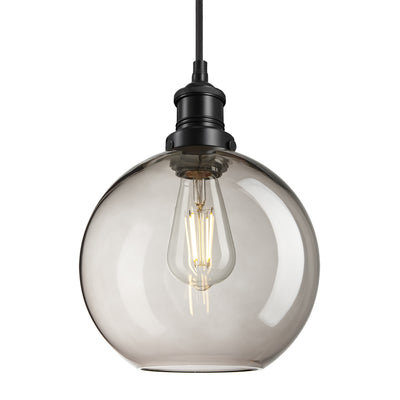
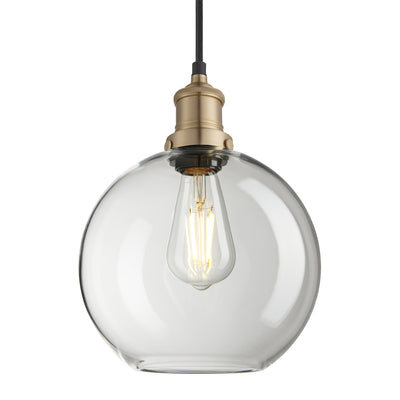
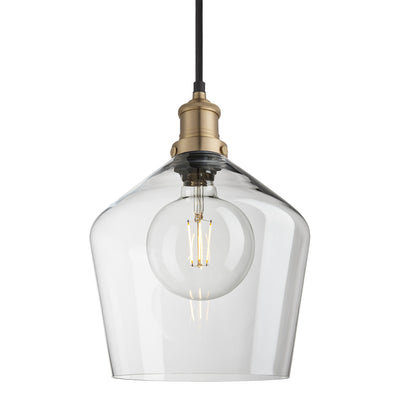
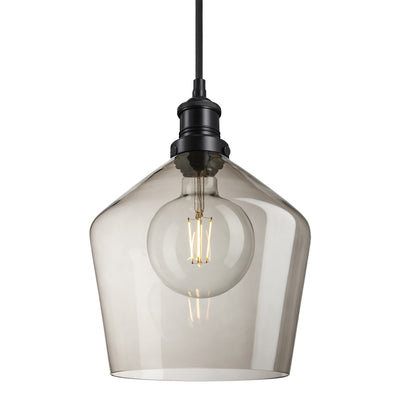
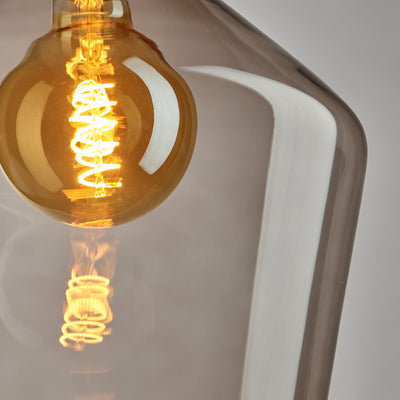
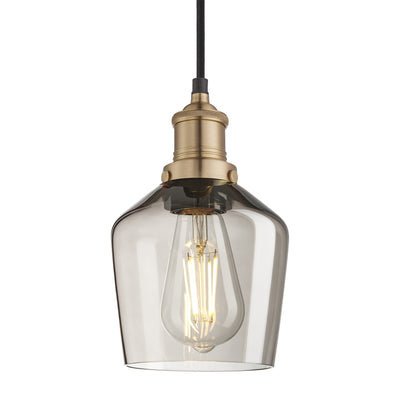
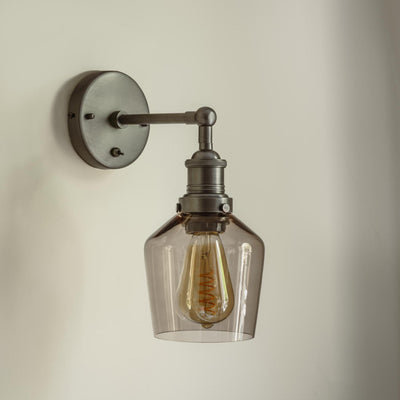
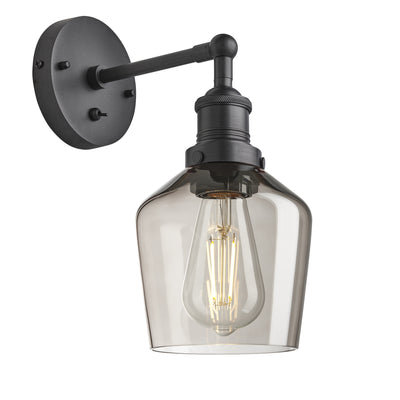
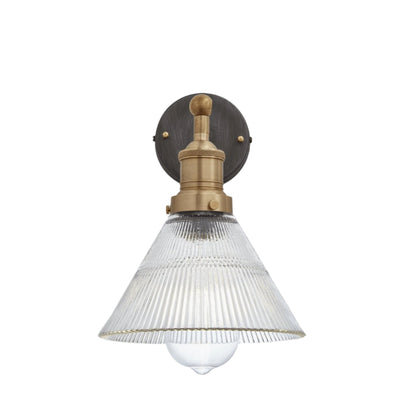
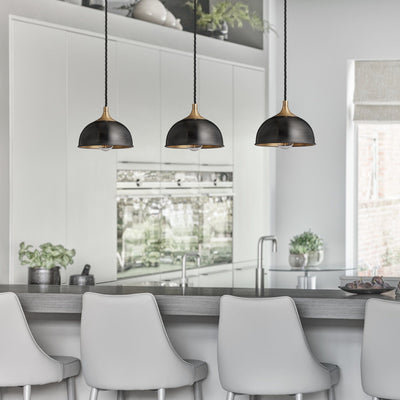
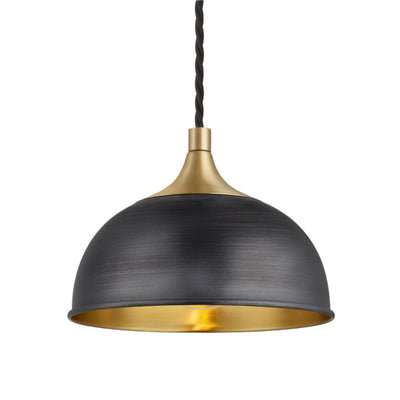
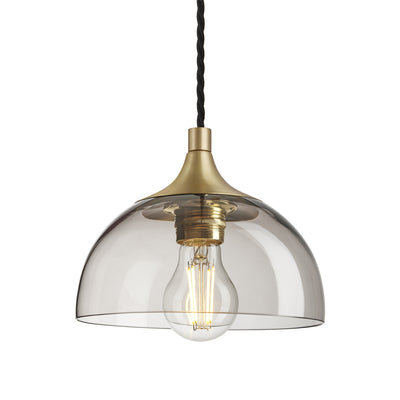
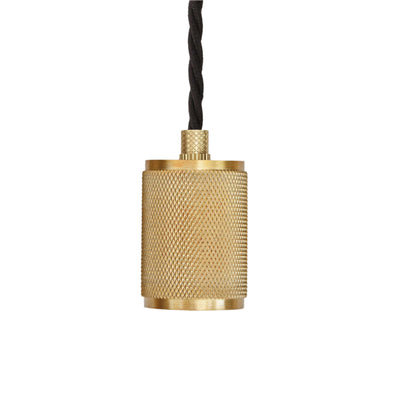
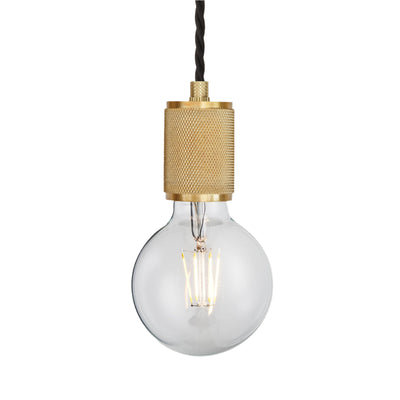
A layered approach tends to work best. Ceiling lights provide general illumination, while wall lights and table lamps introduce softer, more ambient lighting.
Combining these helps create a more balanced and adaptable space, whether you need brighter light during the day or something more subdued in the evening.
Can I install a chandelier in my bedroom?
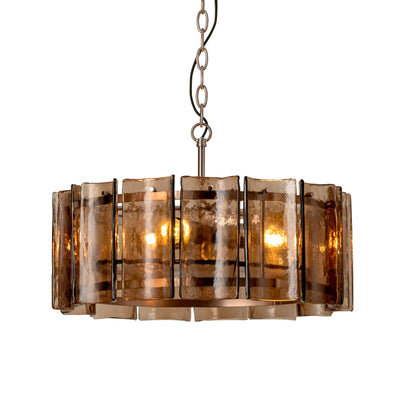
A chandelier can work well in a bedroom, particularly if you’re looking to create a focal point.
For rooms with higher ceilings, a suspended chandelier adds presence, while in lower spaces, flush or semi-flush ceiling lights offer a more practical alternative without compromising on style. For inspiration, check our guide to bedroom interiors.
What materials and styles are available?
Our bedroom lighting is made using solid metals such as brass and aluminium, alongside glass and natural materials like rattan. Finishes include brass, bronze, matt black, copper and pewter.
The overall aesthetic is rooted in industrial design, with details that allow it to sit comfortably within a wide range of interiors.
How do I create a cosy lighting scheme in my bedroom?
Layering different light sources helps create a more inviting atmosphere. Ceiling lighting provides the base level of light, while wall fittings and bedside lamps introduce warmth and softness.
Many of our fixtures are compatible with dimmable bulbs and switches, allowing you to adjust the brightness to suit different times of day.
What lighting should I use for reading in my bedroom?
For reading, a more focused light source works best. Wall lights or bedside lamps positioned close to the bed provide enough light without overwhelming the space.
This allows for a more comfortable, practical setup, particularly in the evenings.
What IP rating is suitable for bedroom lights?
For standard bedroom areas, an IP20 rating is sufficient. This is suitable for dry environments and general use.
If your bedroom includes an en-suite, lighting within those areas should meet the appropriate bathroom IP requirements. Read more with our guide to IP ratings.
If you have any more questions, send us a message.