Creating a bedroom that feels calm, comfortable and considered starts with the right foundations. From colour and materials to a carefully layered lighting scheme, each element plays a role in shaping how the space looks and feels.
In this guide, our founder, Mara, shares her approach to designing a restful bedroom, focusing on how thoughtful lighting can support both atmosphere and well-being.

How to create a restful bedroom
Mara shares: “Creating the perfect bedroom is somewhat a matter of personal taste, but there are a few foundational elements that should always be considered to make the space feel serene and cosy.
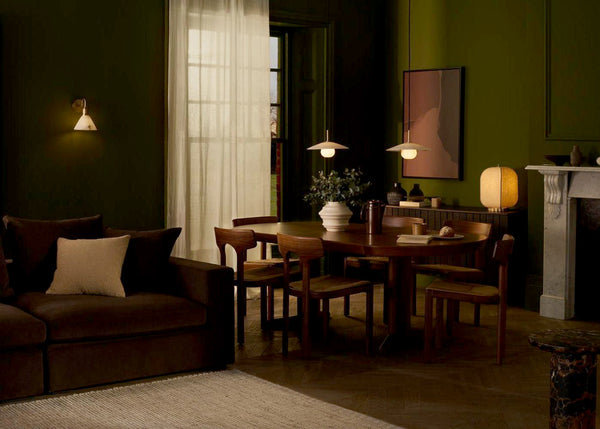
Choosing colours that soothe the nervous system, such as rich jewel tones or hues inspired by nature like soft greens and blues, will instantly instil a sense of calm. These are often considered among the best bedroom light colours for sleep. Natural materials, including linen, stone and wool, will further support this, so look to utilise these in bedding, upholstery, rugs and other key fixtures like lights and furniture.
A carefully thought-through lighting scheme is one of the most important design elements in a bedroom. Get it right, and it can support your natural circadian rhythm and sleep cycle, forming the foundation of bedroom lighting for better sleep. But get it wrong, and it can really disrupt this and make the room feel cold and unwelcoming.
If you’re looking for trend inspiration, Japandi style is having a real moment and is a foolproof way to create a restful bedroom. This look is all about simple curved lines, uncluttered spaces and touches of texture that evoke a feeling of zen, aligning with some of the best bedroom lighting ideas. To get the look, embrace linen light shades, sweeping curves in furniture, and a less-is-more approach to styling.”
[SIDE-BY-SIDE]


Lighting that supports better sleep
“Lighting is a key element in a bedroom design to support better sleep. It should be carefully layered to support your circadian rhythm, offering brightness in the morning through a mix of artificial and natural light, and then providing a softer glow in the evening to signal to our body that it’s time to unwind. This approach reflects the best circadian rhythm lighting for better sleep.
Make sure your bedroom lighting design uses a mix of ambient, accent, and task lighting on separate switches, so you can tailor the light levels to suit the time of day and create the best ambient lighting for bedroom environments. Incorporating technology such as dimmer switches and colour-changing light fixtures is another great way to support better sleep, as these additions allow for a customisable ambience that can mimic natural light patterns and can be adjusted to your exact requirements.
Consider introducing a calming evening ritual: switch off screens, dim the lights, and use warm white bulbs, often recommended for better sleep, to set a more restful tone. Fixtures with fabric or frosted shades can also diffuse light softly, reducing overstimulation before bed. A soft night light for better sleep can also be introduced where needed without disrupting rest.”
[SIDE-BY-SIDE]


Choosing the right bedroom lighting
“Don’t just use one single source overhead or at the bedside. Always layer a mix of ceiling and wall lights as well as table and floor lamps. This means you can easily tailor the light level to the time of day and have focused task lighting where you need it, such as at the bedside for reading at night, creating some of the best bedroom light fixtures in practice.
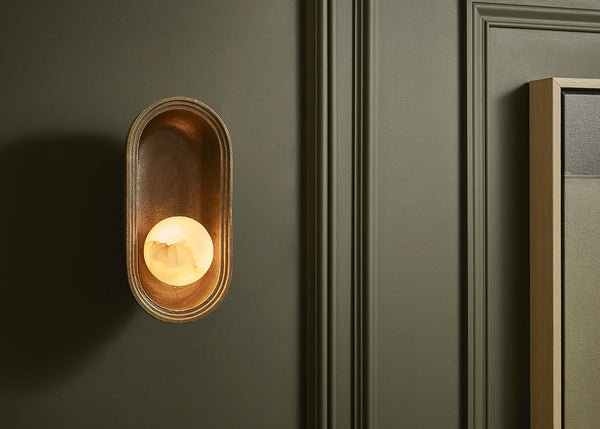
From a style perspective, consider the materials of the lights you choose and how they will affect the room's overall aesthetic and ambience. Lights made from metals like brass or bronze, with softly smoked glass shades, will gently diffuse light to create a cosy, cocooning feeling. Paper or linen lantern lights also bring a feeling of zen to a bedroom space and emulate the restful Japandi style often seen in the best bedroom lighting schemes.
Make sure to consider bulb temperature. A warm white bulb (2700-3000K) creates an inviting ambience that’s ideal for unwinding at the end of the day, making it one of the best bedroom lights for sleep options, so it should be the primary choice for ambient and accent lighting in bedrooms.
For added comfort and convenience, opt for dimmable bulbs or smart lighting options that let you adjust brightness and tone to suit your sleep-wake rhythm, especially if you're considering which light is better for sleep in your space.”

[P2-P2]
Bedroom design mistakes people often overlook
“Your bedroom is your body’s cue for rest. If it’s too bright, cluttered or overstimulating, your brain stays alert no matter how many gadgets you use. Designing a calm, comfortable sanctuary with blackout blinds, soft lighting, natural textures and good airflow supports your natural sleep cycle far better than any high-tech aid. Even simple touches like clutter-free bedside tables and air-purifying plants, such as English ivy and Mother-in-Law’s Tongue, can transform your sleep.
And don’t forget temperature. The ideal is 16–18°C, and anything over 21°C makes it much harder to drift off. The Colour Rendering Index (CRI) indicates how true the light source is to natural light, and a CRI of 80 to 90 is generally best suited to the home, as when aligned with natural light cycles, it can enhance wakefulness during the day and therefore promote a better night’s sleep.”
Mara Miller - Industville Founder
Designing a bedroom that supports better rest
A well-designed bedroom is about more than choosing beautiful furniture or the latest trends. It's about creating an environment that helps you slow down, unwind and recharge at the end of each day. By combining calming colours, natural materials and a thoughtfully layered lighting scheme, you can shape a space that feels both functional and restorative.