Many of the most common lighting mistakes happen when individual fittings are chosen without considering how the wider space will look, feel and function. A design might make an immediate impression, but lighting also needs to support the way a room is used every day and continue to feel right as the interior evolves.
The most common lighting mistakes include:
- Relying on one central ceiling light
- Choosing fittings purely because they are trending
- Using a statement pendant that is out of proportion with the room
- Investing in smart technology without considering long-term compatibility
In this guide, Industville founder Mara Miller shares her advice on creating a balanced lighting scheme, choosing designs with lasting appeal and avoiding decisions that may become impractical or costly over time.
Advice by Mara Miller, Founder of Industville

The most common lighting mistakes that will date your home include:
Mistake 1: Choosing lighting for a passing trend
Mara explains: “Trends can be a useful source of inspiration, but they should not be the only reason you choose a light. Before committing to a design, think about what you genuinely like about it and whether it complements the architecture, materials and character of the room.”
“One of the mistakes I often see is people beginning with a pendant they have seen online and only later considering how it will work within their own home. A fitting can look beautiful in isolation, but scale, ceiling height and the surrounding furniture will determine whether it feels right in the space.”
Choosing lighting that you want to replace after only a few months or years can also become expensive, particularly if moving a fitting or changing the layout requires additional electrical work.
“Timeless does not have to mean plain or conservative. A distinctive design can still have lasting appeal when its form, proportions and materials have been carefully considered. The aim is not to avoid personality, but to choose something for reasons that go beyond the current trend.”
[SIDE-BY-SIDE]


Mistake 2: Relying on one central light source
“One of the most common lighting mistakes is expecting a single ceiling light to do everything. Even a large pendant may not provide the right level or quality of light across the entire room.”
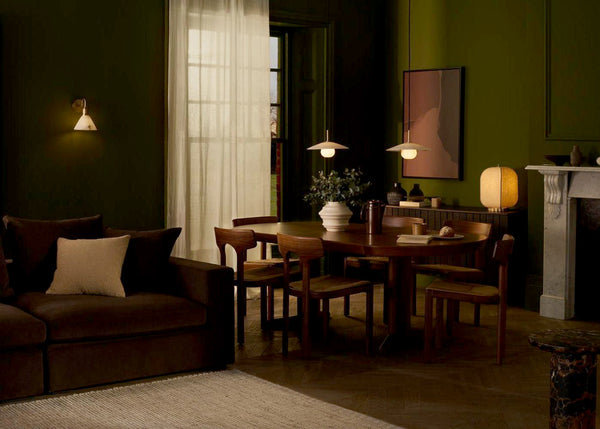
Instead, consider the activities that take place in each area. Ceiling lights can provide general light, wall lights can soften the wider scheme, and floor or table lamps can create focused pools of light where they are needed.
“When I assess a room, I first look at where people will sit, work, cook and move. The fittings come after that. Each light should have a purpose, rather than being added simply to fill an empty part of the ceiling or wall.”
[P1-P1]
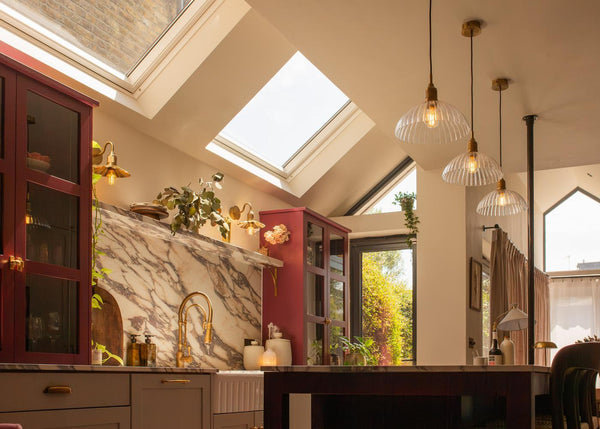
One of the most common kitchen lighting mistakes is relying on pendants alone. Pendants can help define an island or dining area, but they often need to be supported by practical task lighting and softer light elsewhere in the room.
In living rooms, combining ceiling lights with wall lights and lamps helps avoid a scheme that feels flat or overly bright. It also gives you greater control, allowing the atmosphere to change according to the activity and time of day.

Mistake 3: Letting a statement pendant overpower the room
“A statement pendant can provide a strong focal point, but it should still feel connected to the wider interior. The mistake is not choosing something distinctive. It is choosing a fitting without considering how it relates to the room around it.”
Scale is particularly important. A pendant that is too large, too small or positioned incorrectly can disrupt the balance of the space, regardless of how attractive the design is on its own.
Above a dining table or kitchen island, a pendant should help define the area without restricting views or dominating the furniture below it. Consider the ceiling height, the width of the surface and the distance between the bottom of the fitting and the people using the space.
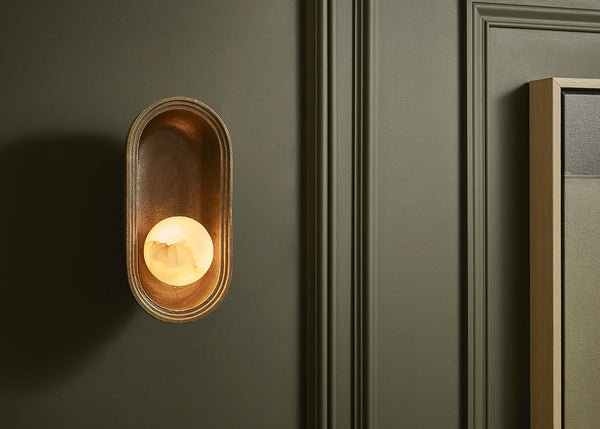
“Materials such as glass, brass, bronze and natural stone have enduring appeal because they can work alongside a wide range of colours and interior styles. Texture, proportion and material can create interest without the fitting needing to compete with everything else in the room.”
Bathroom lighting mistakes often begin when appearance is considered before practical requirements. Position, purpose and the appropriate IP rating should be established before selecting the final design, particularly around showers, baths and basins.
[P2-P2]
Mistake 4: Choosing smart technology without thinking ahead
“Technology can be extremely useful in lighting design, but it needs to be introduced thoughtfully. Smart controls, timers and adjustable settings can improve convenience and help reduce unnecessary energy use when they support the way you already use the room.”
The risk comes when technology becomes the main feature rather than a useful tool. Interfaces, apps and connected systems can change quickly, so it is important to consider manufacturer support, compatibility and whether replacement components are likely to remain available.
“Avoid novelty features that feel exciting initially but are unlikely to serve a practical purpose over time. Colour-changing effects or unusual LED forms may suit a particular project, but they should be chosen because they genuinely improve the space, not simply because the technology is available.”
The same principle applies to outdoor lighting. Exterior fittings should be chosen according to their purpose, exposure and relationship with the architecture. Avoid placing too many competing lights around a garden, and ensure every fitting has the correct IP rating for its location.
“The most successful approach is to combine useful innovation with well-proportioned fittings and enduring materials. This allows technology to evolve without the whole lighting scheme immediately feeling outdated.”
Mara Miller | Industville Founder
[SIDE-BY-SIDE]


How to create a lighting scheme with lasting appeal
A successful lighting scheme does not need to avoid personality, new ideas or statement designs. It simply needs to consider the room as a whole.
Begin with how the space will be used, then identify where general, task and softer ambient light are needed. Once those requirements are clear, you can choose fittings that suit the architecture, proportions and materials of the room.
Trends and technology can still have a place, but they are most effective when they support the wider design rather than define it. By planning each fitting as part of a complete scheme, you can create lighting that feels balanced, practical and personal, while continuing to work as your home and tastes evolve.