Dark corners can quietly shift the mood of a room. They draw the eye for the wrong reasons, leaving a space feeling unbalanced or incomplete. Yet with the right approach, those same corners can become some of the most considered and atmospheric areas in a scheme.
In this guide, our founder Mara shares her perspective on how to brighten darker areas with intention. From layering overhead fixtures and wall lights to selecting the right colour temperature and making the most of mirrors, her approach is rooted in balance, practicality and an instinctive understanding of how light shapes the way we experience a space.
[SIDE-BY-SIDE]


[/SIDE-BY-SIDE]
Mara shares: “When it comes to brightening a dark corner of a room, strategic lighting placement is key. The goal is to create a space that feels inviting and balanced between too bright and not illuminated enough."
Layered Lighting: Balancing Overhead Fixtures and Wall Sconces
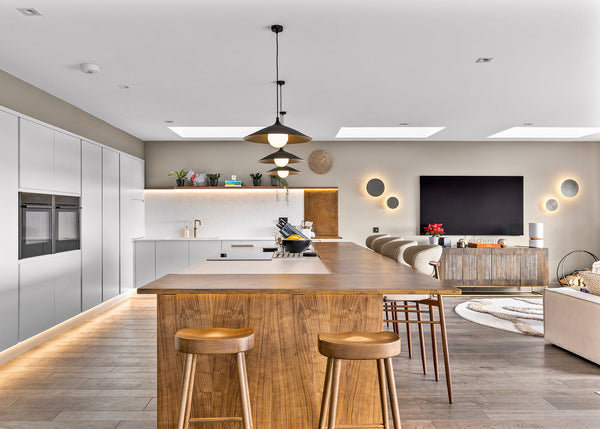
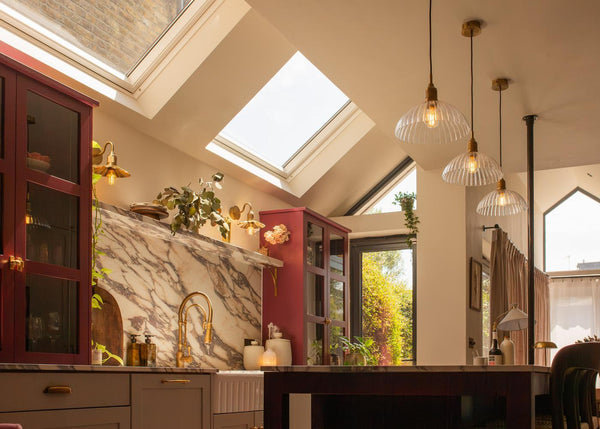
"To ensure the room feels welcoming yet not overly bright, layer your lighting with a combination of overhead fixtures and wall sconces to evenly distribute light. Avoid harsh, direct light; instead, opt for soft, diffused lighting, choosing fixtures made with smoked or textured glass to help scatter light evenly, reducing glare and creating a softer, more ambient effect."
[SIDE-BY-SIDE]


[/SIDE-BY-SIDE]
[P1-P1]
Accent Lighting: Floor Lamps, Table Lamps & Wall Lights
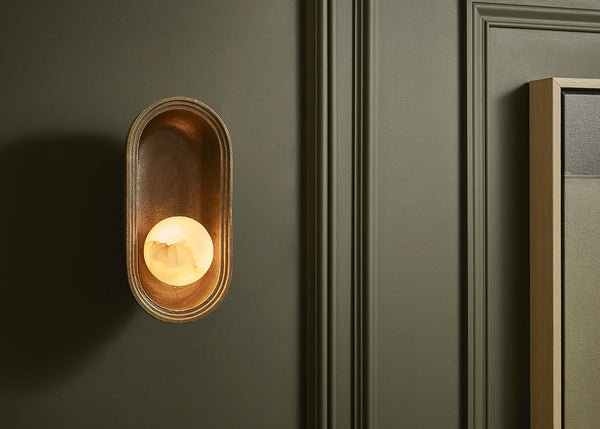
"Complement this with accent lighting to create inviting pools of illumination in darker corners. Wall lights work particularly well when there is artwork or architectural detail to highlight. Alternatively, table or floor lamps offer a flexible way to experiment with accent lighting without committing to permanent fixtures.
When deciding what works best for a space, floor lamps have the advantage of not needing to sit on furniture, and their height can effectively replicate the impact of wall lights without requiring additional wiring. When thoughtfully positioned, table lamps become part of the room’s display, casting light at just the right height on tables, sideboards or shelves, and gently highlighting framed artwork and prized possessions."

Lumens and Colour Temperature: Choose the Best Bulbs for a Welcoming Glow
"Lumens measure the brightness of the lights, and for living spaces and bedrooms, 1,500-3,000 lumens are generally recommended, so look to the higher end of this scale if you require more brightness. However, still opt for warm white bulbs (around 2700K–3000K) to keep a welcoming glow that feels natural and complements most interior tones.
[P3-P3]
A dimmer is a low-cost, hassle-free addition to control the amount of light at any given time. Just make sure the LED bulbs you use are dimmable, and when selecting a dimmer switch (or checking an existing one), ensure it is LED-compatible and uses a trailing-edge design."

Maximising Natural Light: Using Mirrors to Increase Room Brightness
"Mirrors are your secret weapon in this approach - they not only reflect light but can increase the perceived brightness of a space by up to 30%. Place them opposite a light source to maximise the reflection and spread illumination more effectively throughout the area. Finding mirrors that are sized specifically to suit alcoves or smaller nooks, such as the ones in our range, will be key here to ensure you don’t overwhelm the space.”
Mara Miller - Industville Founder
[P2-P2]
break
Dark corners can quietly shift the mood of a room. They draw the eye for the wrong reasons, leaving a space feeling unbalanced or incomplete. Yet with the right approach, those same corners can become some of the most considered and atmospheric areas in a scheme.
In this guide, our founder Mara shares her perspective on how to brighten darker areas with intention. From layering overhead fixtures and wall lights to selecting the right colour temperature and making the most of mirrors, her approach is rooted in balance, practicality and an instinctive understanding of how light shapes the way we experience a space.
[SIDE-BY-SIDE]
[/SIDE-BY-SIDE]
Mara shares: “When it comes to brightening a dark corner of a room, strategic lighting placement is key. The goal is to create a space that feels inviting and balanced between too bright and not illuminated enough."
Layered Lighting: Balancing Overhead Fixtures and Wall Sconces
"To ensure the room feels welcoming yet not overly bright, layer your lighting with a combination of overhead fixtures and wall sconces to evenly distribute light. Avoid harsh, direct light; instead, opt for soft, diffused lighting, choosing fixtures made with smoked or textured glass to help scatter light evenly, reducing glare and creating a softer, more ambient effect."
[SIDE-BY-SIDE]
[/SIDE-BY-SIDE]
Accent Lighting: Floor Lamps, Table Lamps & Wall Lights
"Complement this with accent lighting to create inviting pools of illumination in darker corners. Wall lights work particularly well when there is artwork or architectural detail to highlight. Alternatively, table lamps or floor lamps offer a flexible way to experiment with accent lighting without committing to permanent fixtures.
When deciding what works best for a space, floor lamps have the advantage of not needing to sit on furniture, and their height can effectively replicate the impact of wall lights without requiring additional wiring. When thoughtfully positioned, table lamps become part of the room’s display, casting light at just the right height on tables, sideboards or shelves, and gently highlighting framed artwork and prized possessions."
Lumens and Colour Temperature: Choose the Best Bulbs for a Welcoming Glow
"Lumens measure the brightness of the lights, and for living spaces and bedrooms, 1,500-3,000 lumens are generally recommended, so look to the higher end of this scale if you require more brightness. However, still opt for warm white bulbs (around 2700K–3000K) to keep a welcoming glow that feels natural and complements most interior tones.
A dimmer is a low-cost, hassle-free addition to control the amount of light at any given time. Just make sure the LED bulbs you use are dimmable, and when selecting a dimmer switch (or checking an existing one), ensure it is LED-compatible and uses a trailing-edge design."
Maximising Natural Light: Using Mirrors to Increase Room Brightness
"Mirrors are your secret weapon in this approach - they not only reflect light but can increase the perceived brightness of a space by up to 30%. Place them opposite a light source to maximise the reflection and spread illumination more effectively throughout the area. Finding mirrors that are sized specifically to suit alcoves or smaller nooks, such as the ones in our range, will be key here to ensure you don’t overwhelm the space.”
Mara Miller - Industville Founder
[P2-P2]