Are these lights safe and practical to use in a bathroom?
Our bathroom lights focus on safety and meet the necessary IP ratings. If installed correctly in the right area, they are suitable for daily bathroom use. Check out our complete guide to IP ratings to make sure you're choosing the correct specification, or read on below.
What IP rating do I need for my bathroom lights?
It depends on the location of the light. Bathrooms are divided into zones:
- Zone 0 - Inside the bath or shower, which requires at least IP67
- Zone 1 - Above the bath or shower, up to 2.25m, which requires at least IP65
- Zone 2 - Around the bath or shower, up to 2.25m. Minimum IP44/IP64
- Zone 3 - Standard lighting can usually be used, as long as it’s positioned safely away from water
What about installation?
A qualified electrician should install bathroom lighting. It’s important not just to fit the light, but also to ensure everything is in the right place and meets regulations.
Do all bathroom lights need to be IP44+?
Not necessarily. Only areas exposed to moisture need that level of protection. In areas further from water, standard indoor lights can
work.
What styles are available?
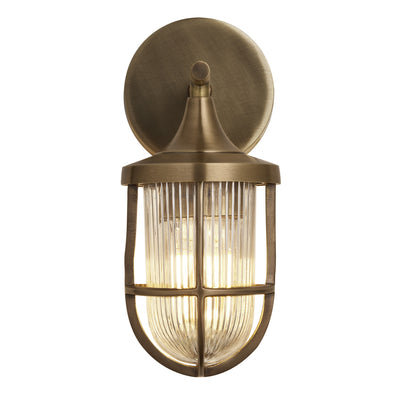
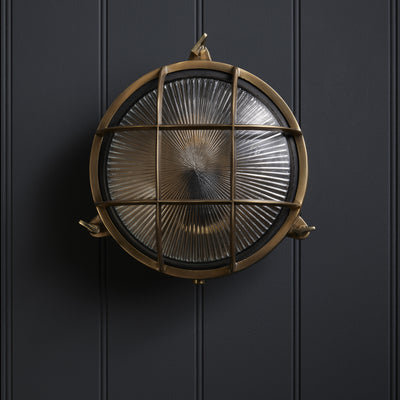
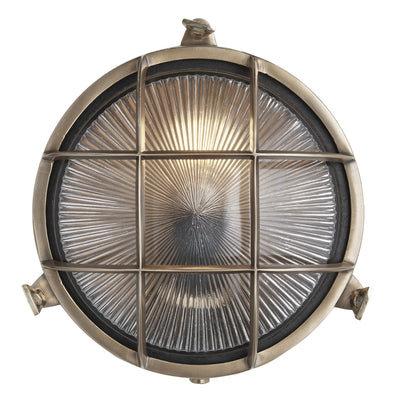
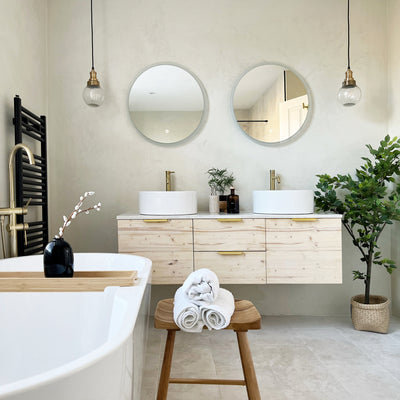
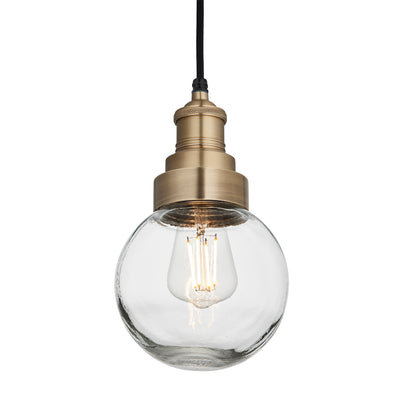
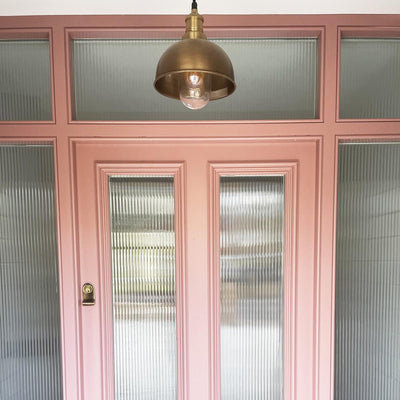
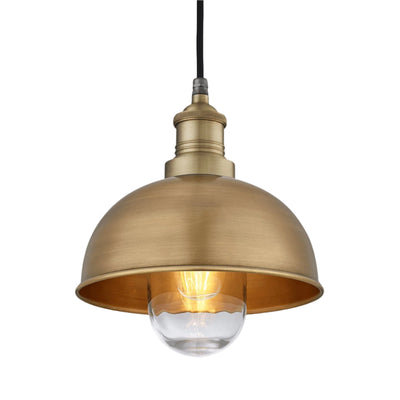
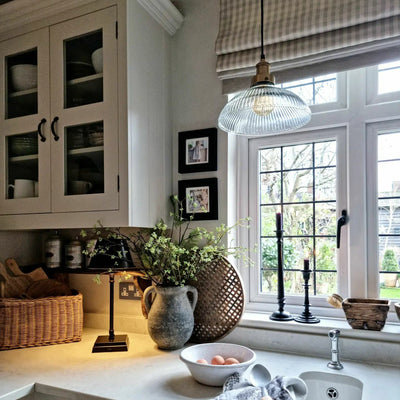
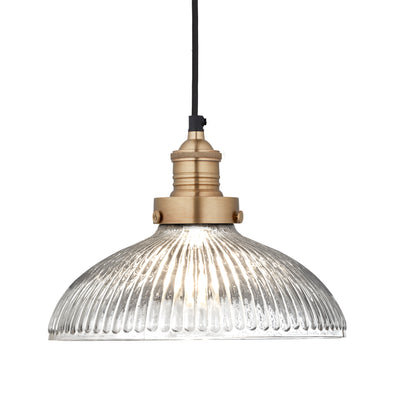
Our collection features industrial and vintage-inspired designs, including:
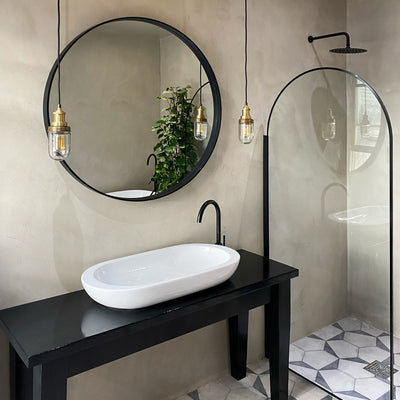
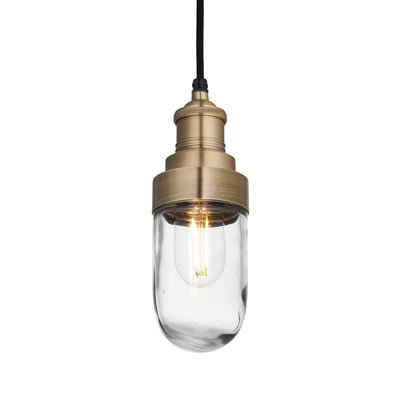
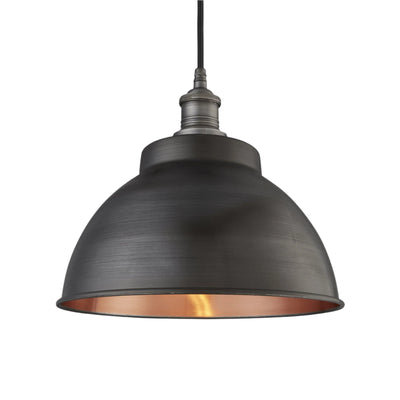
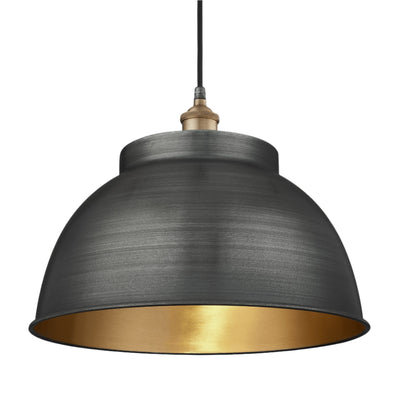
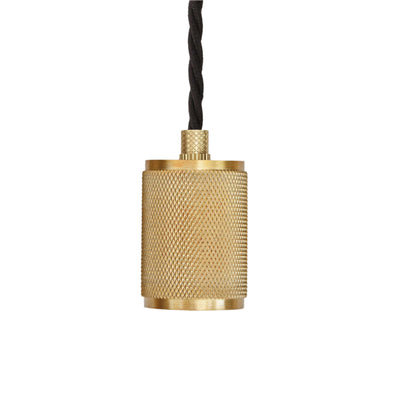
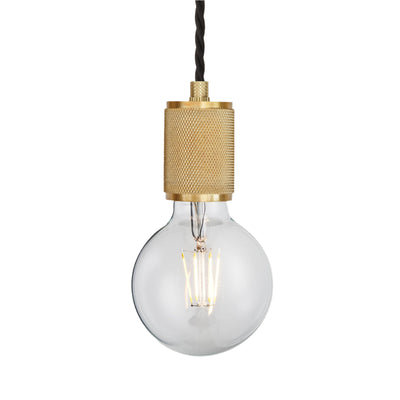
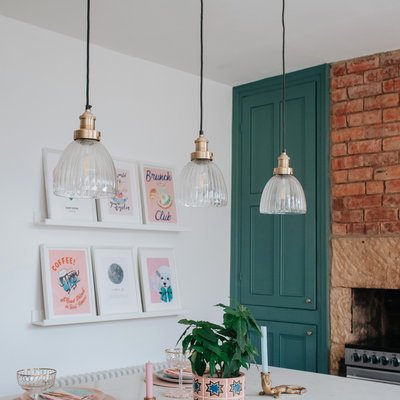
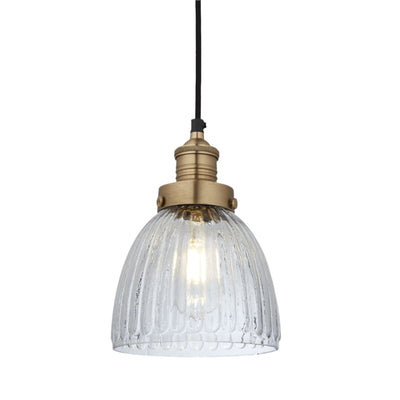
- Pendant lights for a decorative feel.
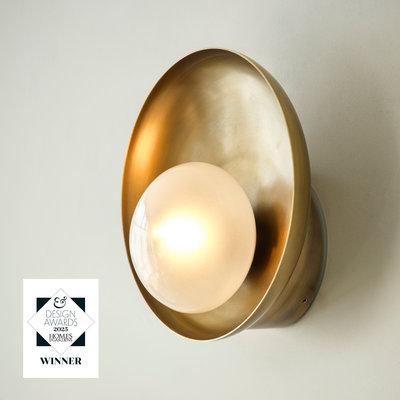
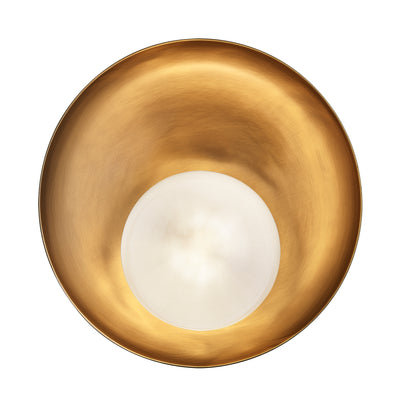
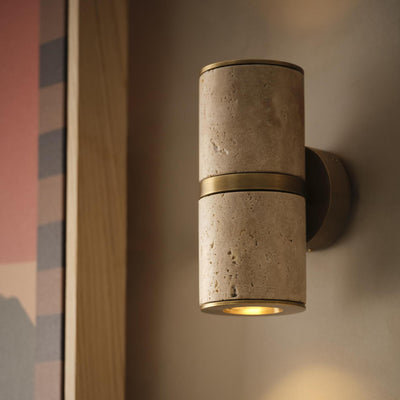
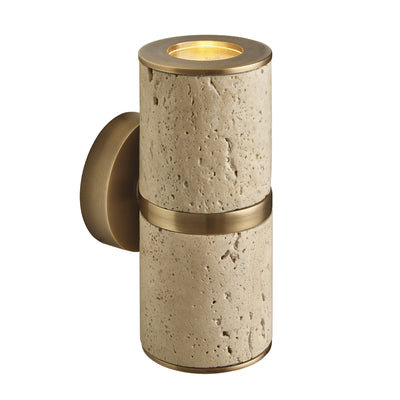
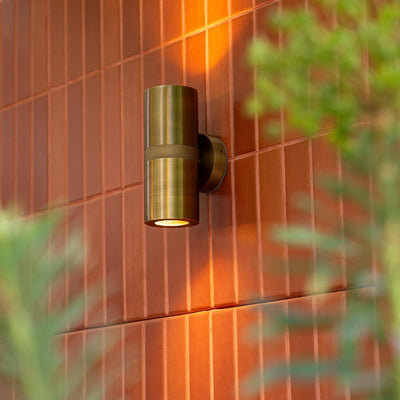
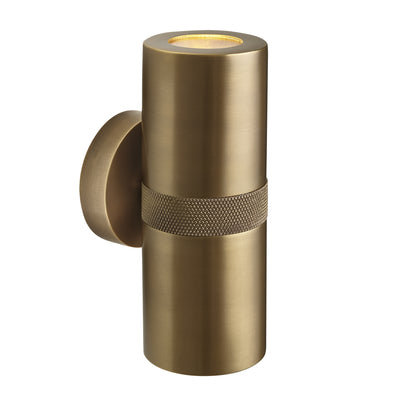
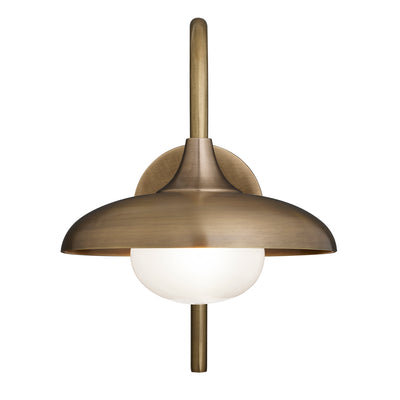
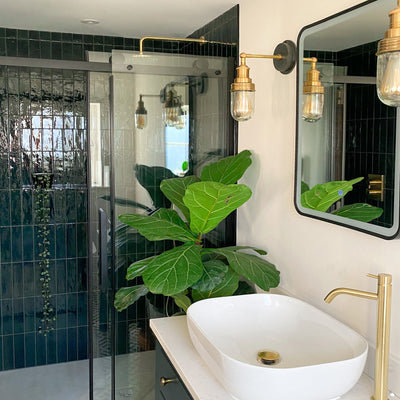
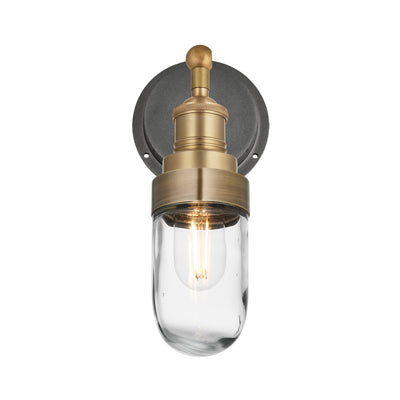
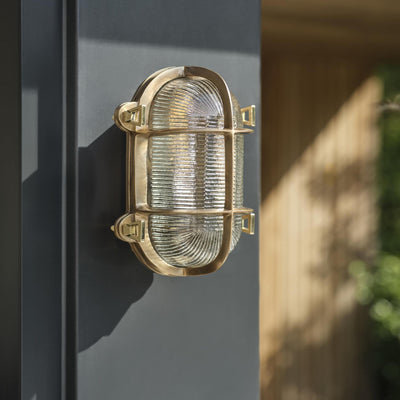
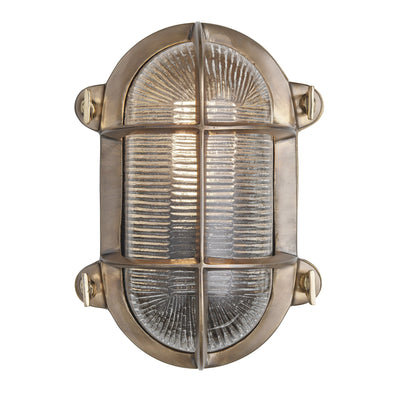
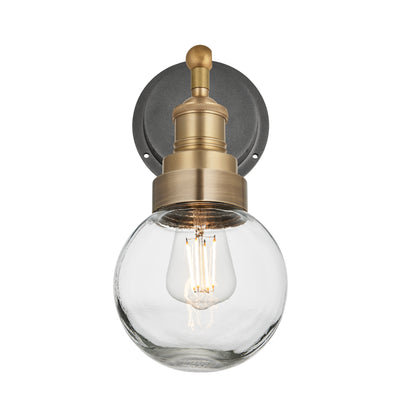
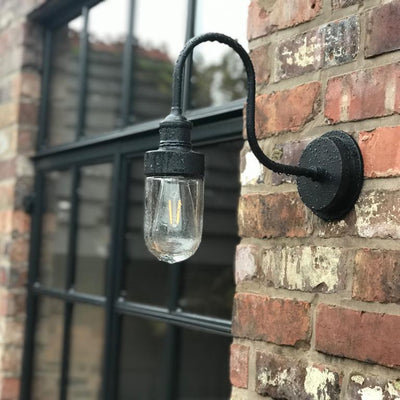
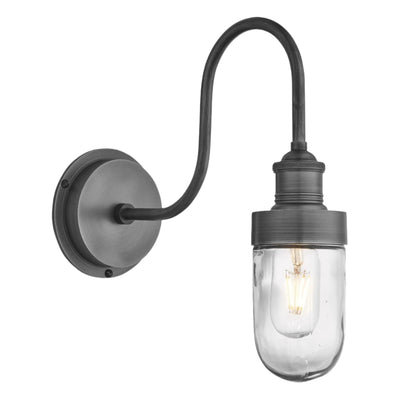
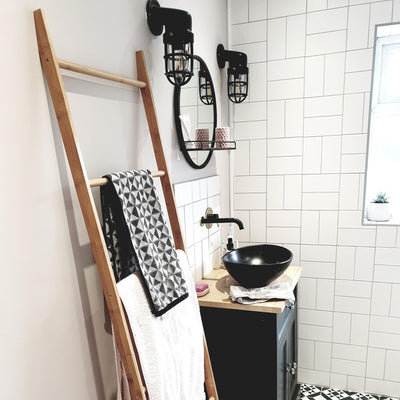
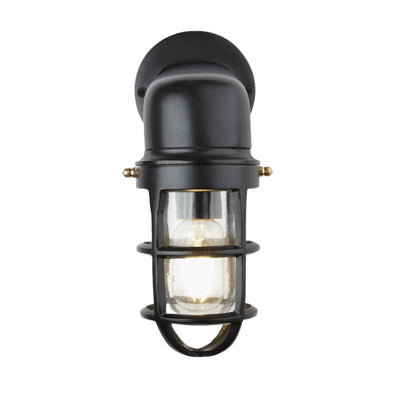
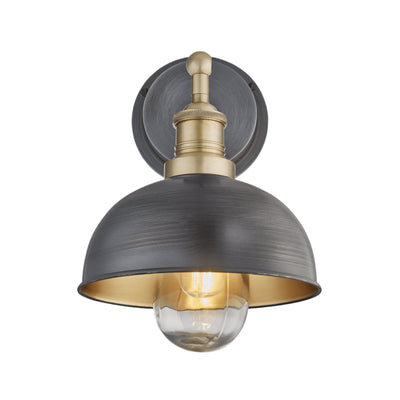
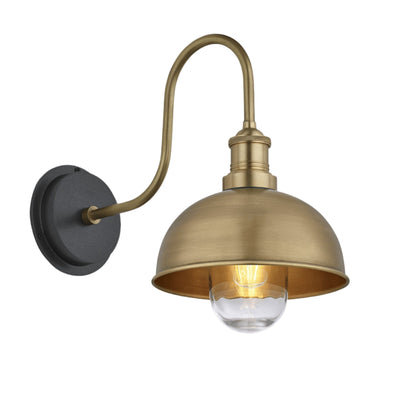
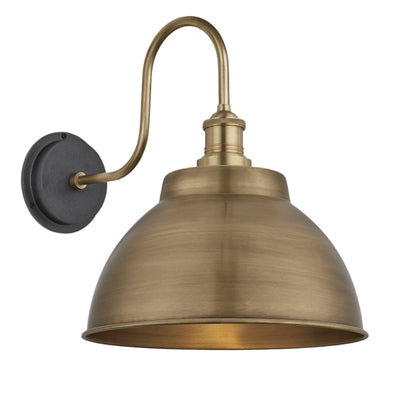
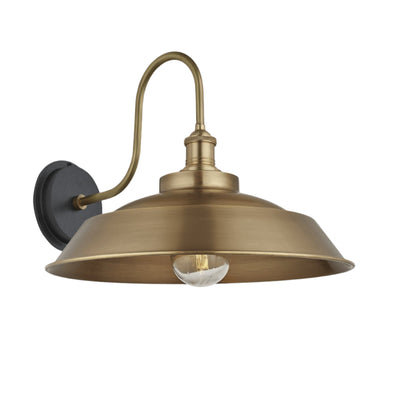
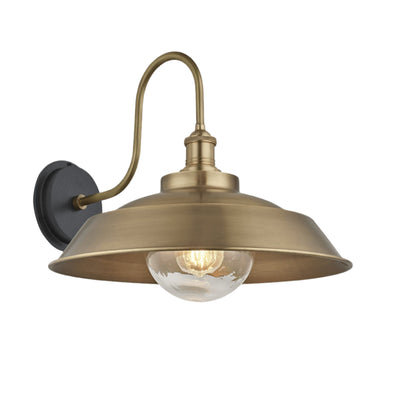
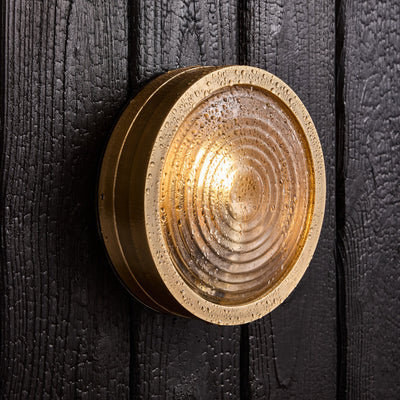
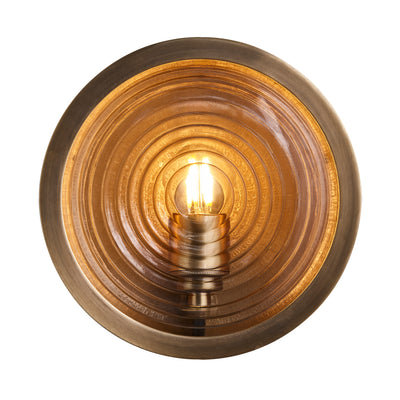
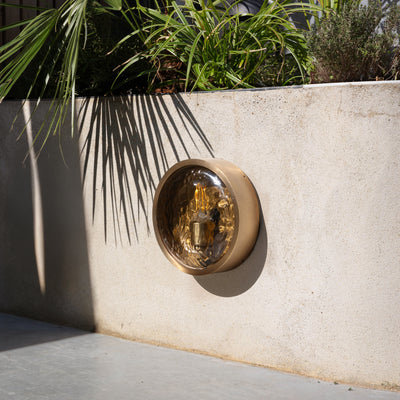
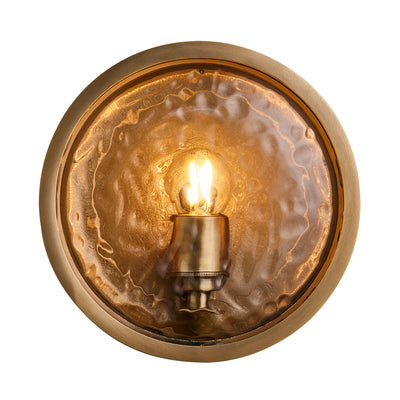
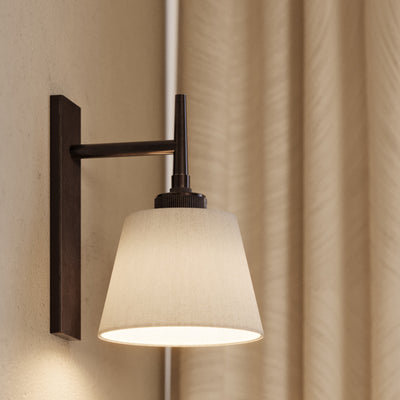
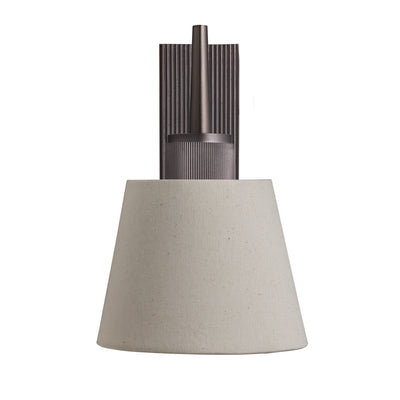
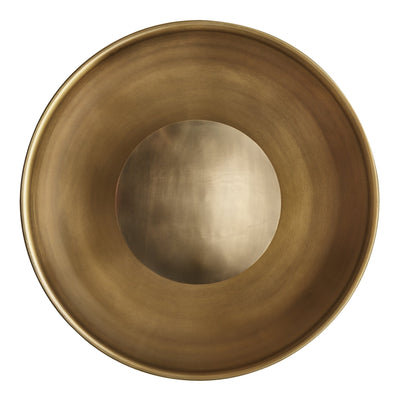
- Bath wall sconces and bath sconce lighting, which are great beside a mirror for focused lighting.
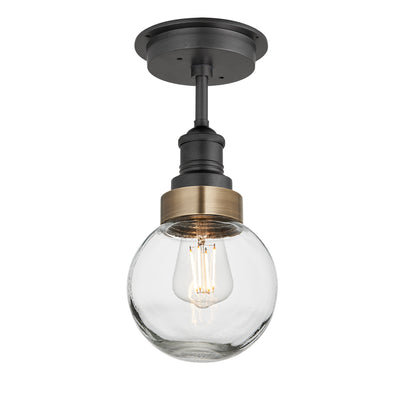
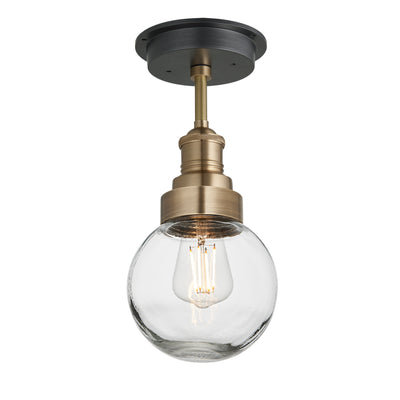
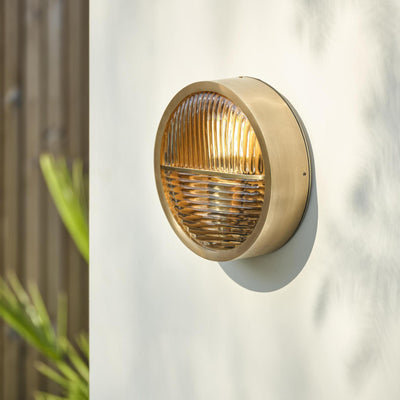
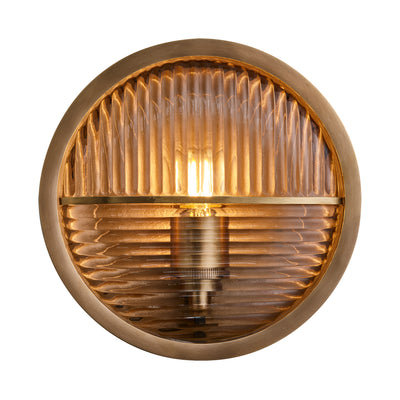
- Flush mounts, ideal for bathrooms with lower ceilings and as light fixtures for small bathrooms.
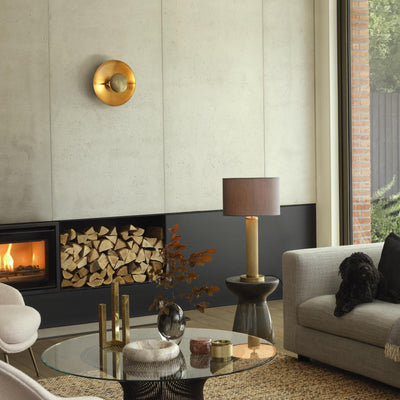
Our collection also includes modern bathroom lighting and stylish bathroom lighting wall lights suitable for a range of interiors.
How do you create a spa-like feel with lighting?
It usually involves layering a few light sources:
- Ceiling lights for overall brightness.
- Wall lights for task lighting (especially around mirrors).
- Softer lighting to create a more relaxed atmosphere. Adding dimmable lighting can also significantly impact the mood throughout the day and help when lighting bathroom wall areas.
What materials are used?
We choose durable, high-quality materials like brass, steel, and glass. These materials are selected not just for their appearance but also for their performance in bathroom settings.
Can these lights be dimmed?
Many of our lights work with dimmer switches. For the best results, pair them with a suitable dimmable bulb and check compatibility with your chosen fitting.
Wall Lights vs Ceiling Lights for the Bathroom
When choosing between wall lights and ceiling lights for the bathroom, consider both the size of your space and where you need light most. Ceiling lights provide general overhead illumination, while wall lights can add focused lighting around mirrors and vanity areas.
- Ceiling lights – Ideal for providing general overhead lighting throughout the bathroom.
- Wall lights – Perfect for adding focused light around mirrors, sinks and vanity areas.
- Mirror lighting – Position wall lights either side of a mirror for balanced illumination, or above the mirror where side placement isn't possible.
- Practical placement – Combine ceiling and wall lights to create layers of light for different areas and everyday tasks.
- IP rating – Always choose a fitting with an appropriate IP rating for its position, particularly around baths, showers and other sources of water.
Combining bathroom wall lights and ceiling lights can create a practical, well-balanced scheme while adding warmth and character to your space.